Saturday, January 21, 2017

Diagram of Bladder Cancer Treatment Guide

Diagram of Bladder Cancer Treatment Guide


Diagram of Bladder Cancer Treatment Guide


bladder means =
ˈbladər/
noun
noun: bladder; plural noun: bladders

    1.     a membranous sac in humans and other animals, in which urine is collected for excretion.
    2.     anything inflated and hollow. 
    "an air bladder in the arch and collar of the shoe"


Friday, January 20, 2017

Garlic Mashed Potatoes Recipes

Garlic Mashed Potatoes Recipes - How Foods Fight Cancer


MAKES ABOUT 4 CUPS (4 SERVINGS)

Garlic is a great way to add flavor to mashed potatoes without adding fat. Plus, garlic is rich in
selenium, a strong cancer-fighting agent.


5 whole garlic cloves, peeled
2 large russet potatoes, peeled and cut into
1⁄2-inch chunks
1⁄2 cup water
1⁄4 to 1⁄2 cup fortified plain unsweetened soymilk or other nondairy milk
1⁄2 teaspoon salt


1. Place the garlic in a medium saucepan. Arrange the potatoes over the garlic. Add the water and bring to a simmer over medium heat. Reduce the heat to low, cover, and cook for about 25 minutes, until
the potatoes are tender when pierced with a knife. Check occasionally and add more water, 1 tablespoon at at time, if the saucepan becomes too dry.

2. Mash with a potato masher or fork. Then stir in enough soymilk to obtain a creamy consistency. Season with salt to taste.

3. Stored in a covered container in the refrigerator, leftover Garlic Mashed Potatoes will keep for up to 2 days.


Garlic Mashed Potatoes

PER SERVING: 143 calories; 0.4 g fat; 0.1 g saturated fat; 2.6% calories from fat; 0 mg cholesterol; 3.3 g protein; 32.3 g carbohydrate; 1.2 g sugar; 3.3 g fiber; 312 mg sodium; 38 mg calcium; 0.7 mg iron; 12.3 mg vitamin C; 3 mcg beta-carotene; 0.2 mg vitamin E

Chocolate Mousse or Chocolate Mousse Pie - Desserts Recipes

Chocolate Mousse or Chocolate Mousse Pie Desserts Recipes - How Foods Fight Cancer


MAKES 10 SERVINGS

When consumed in moderation, this is a more healthful version of the traditional high-fat, highcalorie French delicacy. Chocolate contains the phenolic compounds gallic acid and epicatechin, which are important antioxidants for cancer prevention. Cornell researchers have found that cocoa has nearly twice the antioxidants of red wine and up to three times those found in green tea.


1 cup semisweet chocolate chips
1 cup fortified soymilk or other nondairy milk
2 packages (12.3 ounces each) low-fat silken tofu
1 teaspoon vanilla extract
1 (10-inch) ready-made graham cracker pie crust (optional)
10 strawberries, sliced
10 fresh mint sprigs (optional)


1. Place the chocolate chips and soymilk in a microwave-safe bowl and microwave for 1 minute. Let rest for 2 minutes. Alternatively, place the chocolate chips and soymilk in a double boiler over gently simmering water. Heat, stirring occasionally, until the chips are melted.

2. Transfer the chocolate chip mixture to a food processor or blender.
Add the tofu and vanilla extract and process until smooth.

3. Pour into the crust, if using, or small individual serving dishes and chill for 2 hours in the refrigerator or 30 minutes in the freezer.

3. Top with the strawberries just before serving and garnish with the optional mint.

4. Stored in a covered container in the refrigerator, leftover Chocolate Mousse or Chocolate Mousse Pie will keep for up to 3 days.


Variation: Add 1 chopped banana to the blender or food processor along with the tofu.


Chocolate Mousse or Chocolate Mousse Pie Desserts


PER SERVING: 125 calories; 6 g fat; 3.1 g saturated fat; 43.5% calories from fat; 0 mg cholesterol; 6 g protein; 14.1 g carbohydrate; 10.5 g sugar; 1.5 g fiber; 75 mg sodium; 63 mg calcium; 1.4 mg iron; 7.2 mg vitamin C; 7 mcg beta-carotene; 0.5 mg vitamin E

Thursday, January 19, 2017

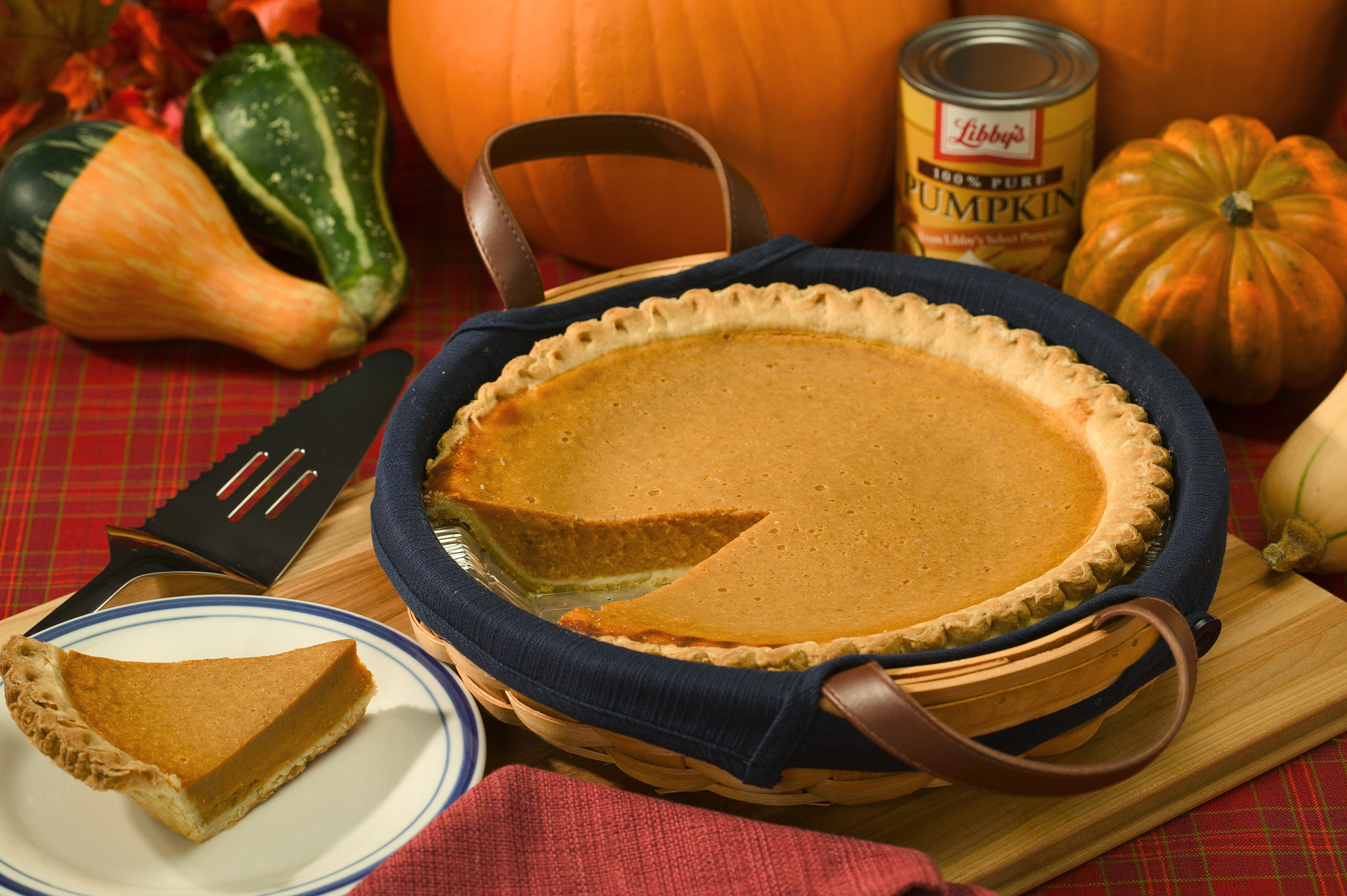
Pumpkin Pie or Custard Desserts Recipes

Pumpkin Pie or Custard Desserts Recipes - How Foods Fight Cancer


MAKES 8 SERVINGS

Made this way, pumpkin pie can actually be a health food. Pumpkin is a rich source of betacarotene, a well-known cancer-fighting agent that is also important for cancer survival. Note that the fat in this recipe comes only from the pie crust, so we’ve provided a nutritional analysis without the crust as well, in case you’d like to serve it as a fat-free baked custard.


11⁄2 cups fortified soymilk
4 tablespoons cornstarch
11⁄2 cups solid-pack canned pumpkin or cooked pumpkin
1⁄2 cup sugar
1 teaspoon ground cinnamon
1⁄2 teaspoon ground ginger
1⁄2 teaspoon salt
1⁄8 teaspoon ground cloves
1 (9-inch) unbaked pie crust (optional)


1. Preheat the oven to 375 degrees F.

2. Combine the soymilk and cornstarch in a large bowl and whisk until smooth. Stir in the pumpkin, sugar, cinnamon, ginger, salt, and cloves. Pour into the optional pie crust or a custard dish and bake for 45 minutes, or until firm. Cool before slicing the pie or serving the custard.

3. Stored in a covered container in the refrigerator, leftover Pumpkin Pie or Custard will keep for up to 3 days.

Pumpkin Pie or Custard Desserts Recipes


PER SERVING (with crust): 185 calories; 6.1 g fat; 1.5 g saturated fat; 29.5% calories from fat; 0 mg cholesterol; 3.2 g protein; 30.6 g total carbohydrate; 14.5 g sugar; 2.4 g fiber; 283 mg sodium; 84 mg calcium; 2 mg iron; 2.2 mg vitamin C; 3189 mcg beta-carotene; 1.2 mg vitamin E


PER SERVING (without crust): 103 calories; 0.9 g fat; 0.2 g saturated fat; 7.9% calories from fat; 0 mg cholesterol; 2.1 g protein; 22.8 g total carbohydrate; 14.5 g sugar; 2.1 g fiber; 181 mg sodium; 83 mg calcium; 1.5 mg iron; 2.2 mg vitamin C; 3189 mcg beta-carotene; 1.1 mg vitamin E

Tuesday, January 17, 2017

Case Study Anatomy of an Oncologist - Janet


Highly Sensitive, Measurable Metastatic Breast Cancer


The extent of Dr. Blumenschein’s practice was very large and included over 2000 patients. Consequently, the spectrum of tumor activity in these patients was diverse and heterogeneous. At the most favorable end of the spectrum were patients with well-differentiated, slow growing,  and drugsensitive cancer clones in whom a  complete remission could be obtained with chemotherapy alone.

Janet, a 56-year-old administrative assistant, had been diagnosed with advanced primary breast cancer in her left breast. The cancer had metastasized to her lungs, liver, bone, and axillary and supraclavicular lymph nodes. Her primary physician was alarmed and started her on a course of FAC. She was ready for her second course of FAC when she was seen by Blumenschein. His physical examination indicated that she had already begun to respond to FAC. Her lungs were clear, her lymph nodes had regressed, and the mass in her left breast had vanished. Her liver had decreased in size and her liver function tests also had begun to improve. Staging studies confirmed these findings.

Therefore, Blumenschein continued the FAC regimen for a total of nine courses during which her bone lesions showed blastic healing. Subsequently, he elected to follow her at 3-month intervals for the next 5 years. At that point, follow-up visits were scheduled every 6 months. After 10 years, he saw her annually. Blumenschein considers Janet to have been cured, but because blastic healing of bone lesions occurs in the absence of radiologic change she is technically classified as being in stable partial remission rather than in complete remission.