Showing posts with label Cancer. Show all posts

Monday, February 20, 2017

GLOSSARY of Cancer


GLOSSARY of Cancer


adjuvant : A substance that is added to a vaccine to increase the body’s immune response.

allele : One form of a specifi c gene pair, remembering that we have two copies of (almost) every gene. For example, a person may have one brown allele and one blue allele for eye color.
One allele may be dominant over the other and in this example brown is dominant over blue. This person will have brown eyes.

Angiogenesis : The formation of new blood vessels from preexisting blood vessels.


biobank : A collection of human biological tissue and associated health information that can be used as a resource for current and future research. Participation in biobanks is important for research that will benefi t future generations.

biomarker : A biological molecule found in bodily fl uids or tissue that indicates health or disease or the effect of treatment.

carcinogen : An agent that causes cancer.

DNA (deoxyribonucleic acid) : The genetic material of most living things that carries the chemical instructions for the synthesis of proteins. The structure of DNA is a double helix, which is important for the process of DNA replication.

DNA adduct : A chemical mask on DNA; the addition of a chemical group to DNA.

gene : A section of DNA sequence that carries the chemical instructions to code for a protein. Proteins are needed for the structure and function of cells over a lifetime. There are about 25,000 genes in the human genome.

genome : The complete set of genes of an individual or species.

germline mutation : A mutation in either egg- or spermcell DNA (as opposed to a somatic mutation). Only mutations in germ cells can be passed on to the next generation.

incidence rate : The number of new cases of cancer (or other disease) in a defi ned population over a defi ned period of time.

ion : A molecule with a positive or negative charge. They may be created by ionizing radiation and can damage DNA, leading to mutations and cancer.

kinase : An enzyme that adds phosphate groups to proteins. The addition of a phosphate can regulate protein activity, turning it on or off. Kinases are important drug targets.

metastasis : The spread of cancer cells from a primary tumor to distant sites in the body.

metastasis suppressor gene : A gene that inhibits any of the steps involved in the spread of cancer cells from a primary tumor to a distant site in the body. Over 20 of such genes have been identified.

monoclonal antibody : A molecule of the immune system that is produced in response to exposure to a foreign body. They can be also be designed and prepared in the laboratory and used as a research tool or therapeutic agent. Herceptin is an example of a therapeutic monoclonal antibody.

mutation : A permanent change in the DNA sequence. For example, the replacement of ‘A’ in the genetic code by a ‘C’.

oncogene : A mutated gene that can produce a ‘faulty’ protein product that contributes to cancer (think oncology).

pharmacogenomics : The study of the infl uence of genetic variation on drug response.

phosphorylation : The addition of a chemical group, called a phosphate, to a protein. The addition causes a change in shape of a protein and, in doing so, can switch the activity of a protein either on or off. This is an important mechanism of the regulation of proteins.

premetastic niche : A site of future metastasis prepared by host cells upon receiving a signal from the primary tumor prior to the arrival of the metastasizing cell.

primary tumor : The original site of a cancer that can give rise to metastasis upon progression.

prognosis : The predicted outcome of having a disease.

reactive oxygen species (ROS) : Highly reactive oxygen molecules. They can be produced during normal metabolism that uses oxygen or by the interaction of ionizing radiation with water. They can oxidize DNA and cause mutations that may lead to cancer.

RNA (ribonucleic acid) : The genetic material in some viruses.Also, messenger RNA (mRNA) carries the genetic code transcribed from DNA to the ribosomes for protein synthesis.
Other types of RNA in cells are ribosomal RNA, located in ribosomes, and transfer RNA, which plays an important role in protein synthesis.

somatic mutation : A mutation in any cell other than a germ cell (i.e. an egg or sperm cell). Mutations in somatic cells cannot be passed on to the next generation.

teratogen : An agent that causes birth defects.

transcription factor : A protein that binds to the controlling region of genes and which can regulate gene expression (i.e. turn a gene on or off ).

tumor suppressor gene : A gene with a protein product that plays a role in preventing cancer. Loss of function of these genes by mutation or modifi cation contributes to cancer. Functions of tumor suppressor proteins may include regulation of antioxidant enzymes, cell suicide, or DNA repair, or pausing cell division.

variolation : The practice of introducing smallpox virus to non-immune individuals. The procedure involved using a lancet applied with material from a lesion of a smallpox patient. Although not without risks, immunity against future smallpox exposure was often observed.


Thursday, January 5, 2017

Sedentary as Activity and exercise that CANCER TRIGGERS

Activity and exercise


Sedentary as Activity and exercise that CANCER TRIGGERS

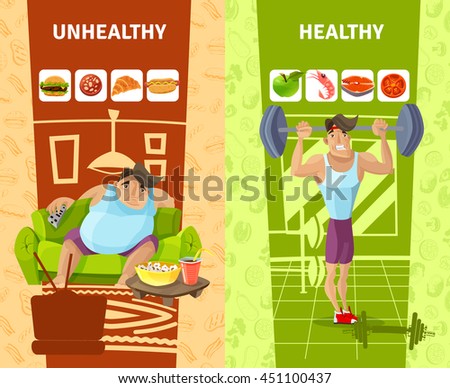
There is a lot of evidence to suggest that activity and exercise play a role in good health. But how many of us are regularly putting on our training shoes?

The WCRF and the AICR found that in South Africa for the period 2002/03, 44 per cent of men and 49 per cent of women between the ages of eighteen and sixty-nine were classified as sedentary. A ‘sedentary’ lifestyle is characterised by much sitting with little or no daily physical activity. This means that almost half our population is not exercising regularly, contributing to rising levels of obesity. ‘Although under nutrition remains a problem among rural children, obesity and associated diseases are also prevalent. There has been a misconception of “benign obesity”: being thin is associated with HIV and AIDS, and moderately overweight women are thought of as attractive and affluent.’

Inactivity is not just a South African trend. Generally, physical activity has been declining globally since the seventies, as household work has become more mechanised and vehicles are used more often for transport. Even though the WHO recommends at least thirty minutes of physical activity on most days, at least 60 per cent of the world’s population are not meeting these recommendations.

Exercise is important for overall health not just because it helps maintain body weight, but also because it helps to control factors like blood pressure. In addition, Mat says, ‘exercise also helps you to connect with your body. When you exercise you can feel when your body is more tired or if there is a distinct pain somewhere.’

As we have seen, obesity and being overweight is a big factor when it comes to environmental causes of cancer. Exercise can therefore also be very beneficial for the prevention and treatment of cancer. The Copenhagen Male Study, for example, headed by Dr Inge Haunstrup Clemmensen from the Cancer Foundation in Denmark, has significantly contributed to evidence that exercise can help prevent cancer. It studied over 5 000 men over twentythree years and showed that immune centres were strengthened by moderate physical exercise, thus preventing the growth of cancer. It also showed that exercise helped prevent intestinal cancer, cancers of the digestive tract and oesophageal cancers.

The Queensland Cancer Council also singles out physical activity as a vital factor in maintaining good health. It recommends just thirty minutes of moderate-intensity activity every day by thinking of ovement as an opportunity, rather than an inconvenience, and making a habit of walking or cycling rather than driving. It also suggests incorporating some vigorous exercise into daily physical activity for extra health and fitness.

The South African organisation People Living With Cancer (PLWC) 19 also recommends regular physical activity, based on research done by the ACS, which suggests that regular physical activity is associated with reduced risk of several cancer types. Although the impact of physical activity on the prognosis of people with cancer is less clear, increased levels of physical activity can improve overall quality of life and result in less fatigue, lower levels of anxiety, increased energy and a renewed sense of vitality. PLWC encourages cancer patients and their families to engage in moderate regular physical activity, defined as activities that make a person breathe as hard as they would during a brisk walk, such as walking, biking and swimming, as well as working in the garden and brisk house cleaning. If a cancer patient is confined to bed rest or is unable to do thirty minutes of activity a day, it is recommended that limited physical therapy is initiated. However, the patient’s performance status and physical ability should be considered and no pressure should be placed on really ill patients.

Tuesday, November 22, 2016

Tips for Avoid Cancer


Tips for Avoid Cancer


Here some tips to avoid cancer =


1. Quit Smoking. Smoking is the main cause of lung cancer and other cancers nearly 30 percent. Smoking during pregnancy is harmful to the baby.

2. Avoid Sunlight. Excessive sunlight causes skin damage and skin cancer. Protect your skin with sunscreen (sunscreen cream), use a long-sleeved shirt and a hat or umbrella, especially during the heat of the sun.

3. Reduce Fat Content in FoodHigh fat causes the risk of colon cancer, prostate and breast. Controlling weight with a balanced diet and exercise will reduce the risk of cancer.

4. Expand Food FibrousWheat, rice, vegetables and fruits are a good source of natural fiber and protect against colorectal cancer.

5. Reduce consumption of food Smoked, Burned and preserved with Nitrite. Esophageal and gastric cancer is more common in the country where many foods are smoked or preserved with nitrites. In baked foods also contain cancer risk.

6. Select the food Many Containing Vitamins A and C. Natural vitamins and other important substances contained in vegetables and fruits may protect us from cancer esophagus, larynx, stomach, and lung.

7. Consumption of More Vegetables Cabbage Group. Cabbage, broccoli, cauliflower, pakchoy and kale can protect against gastric cancer, colorectal cancer and respiratory tract.

8. Avoid Alcoholic Beverages. The risk of getting cancer of the liver and the stomach will increase. Smoking is accompanied by drinking alcohol increases the risk of very big for the occurrence of cancer of the mouth, throat, larynx dam esophagus.

9. Consult Yourself Regularly. Regular health checks is a step-Wise. If feel there is a change in the body, see your doctor.

10. Balanced Lifestyle. Eating sufficient and balanced nutrition, the use of a balance between work, rest, recreation and sports, and always close to God can reduce the risk of cancer.

Sunday, November 20, 2016

Cancer Glossary

Cancer Glossary

Cancer Glossary

Cancer Glossary


What is ?

Acupuncture: An ancient Asian system of therapy that uses long, thin needles to cure disease or relieve symptoms.

Advance directive: A document in the patient’s record describing his or her wishes regarding various life-sustaining
interventions in the event the patient cannot communicate directly. 

Alternative medicine: Healing treatment(s) used instead of mainstream, hospital-based healthcare practice.

Ambulette: A transport service for patients, usually a van that can accommodate patients in wheelchairs.

Antiangiogenesis therapy: Experimental cancer treatment that focuses on blocking growth of new blood vessels to tumors.

Anticipatory grief: Beginning to experience the loss of someone before the person actually dies.

Attending physician: The physician in charge of a hospital patient’s care.

Caregiver: One who helps another person with a serious illness do what he or she ordinarily would be able to do to
meet both current and future needs.

Case manager: Also called a discharge planner. Nurse or social worker who coordinates the patient’s discharge from
a hospital.

Chemotherapy: Also called “chemo.” Treatment of disease using chemical substances or drugs.

Clinical nurse specialist (CNS): Nurse with a master’s degree who can provide patient care and education in a medical
specialty.

Clinical trials: Research projects conducted by doctors to test the safety and efficacy of new drugs, therapies, or prevention strategies on patients. Also known as research protocols or clinical studies, clinical trials are scientific experiments overseen by the U.S. Food and Drug Administration, which, based on the results of the trials, decides whether or not to approve the new drugs or therapies for general use.

Colostomy: Surgery to establish an artificial connection between the lumen of the colon and the skin.

Complementary medicine or therapies: Healing treatment(s) used together with mainstream, hospitalbased medical practice.

Counseling: Mental health therapy with a professionally trained therapist (see Social workers).

Defense mechanism: A psychological method of protecting oneself from anxiety or high emotional distress.
Denial is an example.

Denial: A defense mechanism people use to reduce their distress. It can include minimizing the significance of a stressful event, or in the extreme, denying its existence altogether.

Dietitian: A professional who plans tailored diets to meet the nutritional requirements of people with special healthcare needs.

DNA (deoxyribonucleic acid): The molecular building blocks of chromosomes. They contain and control genetic information in cells, including how they divide, grow, and function.

Do not resuscitate order (DNR): Can be a component of an advance directive and a living will; specifies the medical steps to be taken in the event the patient is found to be minimally responsive with minimal life signs.

Durable medical equipment (DME): Equipment such as walkers, wheelchairs, bedside commodes, or hospital beds that can be ordered from equipment suppliers for home use.

Educational groups: A gathering of people where information is presented on a range of topics (e.g., coping techniques, relaxation methods, management of medical issues).

Experimental protocol: Research of a new drug or therapy using very specific materials and steps.

Fellow: Physician-in-training working in a teaching hospital.

Genetic counselor: An expert in genetics, a branch of science focused on the transmission and consequences of biologic inheritance.

Health maintenance organization (HMO): An organization providing health care to enrolled members through a network of member doctors and other healthcare providers. Designed to reduce costs, HMOs also typically restrict access to providers or specialists outside their approved networks.

Healthcare proxy: A document (also called medical durable power of attorney or healthcare agent) designating a family member, guardian, or friend as the decision maker about medical treatment for a patient (see Surrogate).

Home care: Medical, nursing, social, or rehabilitative services provided in the patient’s home.

Home health aide: A qualified person able to assist a patient with bathing, dressing, getting around in his or her own home, and doing other homemaking tasks (also, Personal care attendant).

Hospice care: A facility or home care program designed to help meet the physical and emotional needs of the terminally ill.

Hypnosis: An artificially induced trance-like state of consciousness in which the subject is susceptible to suggestion. Used in symptom relief and to reinforce behavioral change. 

Incapacitated (mentally): A term used when patient is deemed by the medical team as being unable to give informed consent for a medical procedure (i.e., comatose, mentally disoriented; see Healthcare proxy).

Informed consent: After a patient is educated about his or her diagnosis and all reasonable procedures and treatments  ptions for the disease, he or she must indicate an understanding of and agreement to a course of action by signing forms.

Intern: Physician-in-training working in a teaching hospital.

Last will and testament: A legal document specifying a person’s wishes with regard to inheritance after the person dies.

Licensed practical nurse (LPN): Has completed a two-year degree in nursing; often involved with handson patient care.

Living trust: A legal document created for a person while he or she is still alive in order to protect financial assets. A financial planner or lawyer can provide details.

Living will: Legal document that specifies a patient’s wishes in the event he or she becomes mentally incapacitated.

Malignancy: Tumors that are characterized by the ability to invade surrounding tissue and spread to other parts of the body.

Managed care plan: Insurance or health care plans that rely on primary care physicians, and other methods, to manage or coordinate the medical care people receive.

Mastectomy: Surgical removal of the breast.

Medicaid: A federal- and state-funded health insurance program for those on a limited income.

Medicare: A federally run health insurance program for those aged 65 years or more, or those on Social Security Disability, who are legally blind, or on renal dialysis.

Metastasis: The spread of cancer from the primary (original) tumor to another part of the body.

Nurse practitioner (NP): Advanced practice clinician with a master’s degree who can prescribe medications and write medical orders.

Nursing home: A facility that provides long-term custodial care for patients who can no longer live at home.

Nutritionist: An expert in food and drink intake (diet) for therapeutic purposes.

Oncologist: Physician expert in the treatment of cancer; includes overseeing administration of chemotherapy and other regimens.

Ostomy: Surgery to create an opening from the skin to the urinary or gastrointestinal canal, or the trachea.

Palliation: Reduction of severity (to mitigate). Palliative care focuses on treating the symptoms of disease rather than curing it. 

Paratransit program: A local public transport system for those with a physical impairment or medical condition.

Patient confidentiality: Legal limits as to what the medical team can tell people other than the patient and his or her spouse or designated surrogate/ healthcare proxy.

Personal Emergency Response System (PERS): A device that a patient can wear that can alert emergency help.

Phobia: Overwhelming fear of an object, situation, or procedure.

Physiatrist: A doctor who specializes in rehabilitation medicine.

Physician assistant (PA): Medical professional who can diagnose, treat, and write prescriptions under a physician’s guidance.

Phytochemicals: Chemicals found in plants.

Positive coping: Techniques of thinking and behaving that help a patient respond to an event or stress more effectively.

Power of attorney: A surrogate or proxy decision maker for the patient who legally makes all health-related and financial decisions for the patient; entails a legal document.

Primary caregiver: One who provides or organizes others to provide the essential logistical and emotional support for a person with cancer.

Prognosis: Prediction of the course of a disease.

Progressive relaxation: A relaxation technique using deep breathing and muscle control exercises; can also incorporate peaceful music and guided imagery.

Prostatectomy: Surgical removal of part or all of the prostate, which can alter men’s physical/sexual responses.

Protocol: Description of a clinical trial; also used more generally to refer to a plan of medical treatment.

Public assistance: A federally run program to provide cash benefits (e.g., food stamps, welfare) for persons with a low income to purchase food and clothing and to pay for housing.

Radiation oncologist: Physician expert in radiation therapy.

Radiation therapy: Used in both diagnosis and treatment, the application of light, short radio waves, ultraviolet rays, or X-rays upon a specific area of the body for a period of time.

Registered nurse (RN): Provides patient care; usually has completed a four-year college degree and hospital training.
Resident: Physician who has completed an internship and is receiving training in a specialized area.
Sexual paraphernalia: An apparatus or object used in sexual activity.

Skilled nursing facility (SNF): A healthcare facility providing shortterm nursing care with the aim of having the patient return home or to a family member’s home.

Skilled nursing need: A need for services or care that can be performed only by a licensed nurse, such as treating a wound, teaching the administration of new medications, or assessing clinical status at home. Often a requirement for home care by insurers.

Social Security: A federally run program that provides monthly payments to persons over age 65 years and family
survivors; the amount is calculated from the person’s work history.

Social Security Disability (SSD): A federally run program that provides a monthly income to disabled workers and their families.

Social workers: Certified or licensed social workers (CSW, LCSW, LSW) usually have a master’s degree (MSW, MSSW) or doctorate (DSW, PhD), and counsel the patient and family coping with the stress of diagnosis and treatment. These professionals also can identify community mental health resources and coordinate patient discharge.

Standby guardian: A legally designated person who will have custody of a patient’s children in the event of their parent’s death or mental incapacitation.

Staging: Systems of classifying a patient’s cancer by tumor size and how far it has spread in the body.

Suicidal ideation: Thoughts or plans to commit suicide.

Supplemental Security Income (SSI): A federally run program that provides income to eligible people over age 65 years; legally blind or disabled; who have a low income, few assets, or a limited formal work history.

Support group: A gathering that is focused on sharing experiences, providing emotional support, and relieving the sense of isolation. May be led by social workers or trained cancer survivor volunteers.

Supportive or comfort care: Focuses on treating the symptoms of disease in the later stages of the terminal disease process.

Suppression: Trying not to think about something.

Surgery: Removal of a tumor, organ(s), or other objects from the body and/or repair of body parts using specific resection techniques.

Surrogate decision maker: A person designated to make health-related decisions for that patient. The medical team addresses all healthcare issues for the patient directly to the surrogate.

Therapy groups: Group counseling to treat a specific therapeutic issue (e.g., depression, anxiety) led by a mental health professional.

Time-out: A coping strategy of removing oneself from an emotionproducing person or situation for a short period of time.

Touch therapy: Massage or acupressure.

Veterans’ benefits: Financial and/or medical care and discounted prescription drugs that may be available for U.S. veterans.

Yoga: An ancient Hindu system of philosophy that employs physical exercise and diet restrictions to control
the functioning of the mind and body.


Thursday, November 10, 2016

Movements Devoted to Improving Cancer Care

Movements Devoted to Improving Cancer Care


Movements Devoted to Improving Cancer CareCancer research—indeed, most medical research—is typically about the narrowly focused investigator with one small grant at a time. But advances in genetic profiling of cancers and the mutations that cause them are telling scientists and physicians they must stop working in silos and stop treating lung or breast or colon or prostate cancer as distinct diseases. Common genetic mutations, like one called p53 that controls cell death, are showing up across a whole swath of cancers. A mutation called BRCA1 is common in women’s cancers, such as breast and ovarian, yet the research and clinical work in those two diseases has largely been separate.

My personal explorations and conclusions derived from published NCI data and discussions with NCI staff members confirm the American Association of Clinical Oncology’s 2011 assertion that cancer research and care must be vastly improved. A number of organizations are taking advantage of this opportunity to move toward a sea change in the cancer field. Among the most prominent are the following.

Nation Academy of Sciences


As mentioned in Chapter Two, the need for change in the cancer field was  affirmed at a National Academy of Sciences Workshop in 2013 devoted to improving the affordability and quality of cancer care.4 A recurring theme of the workshop was the need for all stakeholders—including patients, clinicians, private and government payers and the pharmaceutical and device industries—to work together to address improving cancer care. Because cancer is such a prevalent set of conditions and so costly, it exposes all of the strengths and weaknesses of our health care system in general. The workshop suggested that oncology is where the action for change is going to be in health care.


Stand Up to Cancer (SU2C)


In his 2013 Time magazine article on cancer, Bill Saporito quoted the Massachusetts Institute of Technology’s Philip Sharp: “This disease is much more complex than we have been treating it. And the complexity is stunning.”5 Sharp—a Nobel Prize-winning molecular biologist who studies the genetic causes of cancer —is recruiting special-forces units to fight cancer. For the past four years, he has been wrangling “dream teams” funded by SU2C, an organization started by entertainment-industry celebrities unhappy with the progress being made against cancer.

What does it take to transform the way an entire medical ecosystem functions, Saporito asks? In this case, an unprecedented combination of celebrities, intensity and large amounts of money. In 2008 a group including Spider-Man producer Laura Ziskin, who lost her battle with breast cancer in 2011; Katie Couric, who lost her husband to colon cancer in 1998 and former Paramount CEO Sherry Lansing founded SU2C with the goal of attacking cancer the way you make a movie: bring the best and most talented possible people together, fund them generously, oversee their progress rigorously and shoot for big payoffs—on a tight schedule.

SU2C raises money through foundations in addition to corporate, organizational and private donors and then grants it to teams in the form of unusually large sums (up to $18 million, vs. about $500,000 for a typical grant from the National Institutes of Health) to produce results in a short time, initially three years. All the chosen projects are monitored by the American Association for Cancer Research. A SU2C scientific committee headed by Philip Sharp and other heavy hitters reviews each team semiannually, a checkup that can make top scientists feel like graduate students.

“When you have to answer to Nobel laureates and others, it’s a very tough review team,” Dr. Daniel Von Hoff, physician in chief at the Translational Genomics Research Institute—a dream team  launched by SU2C that’s studying pancreatic cancer, said to Saporito.

The team model also is disrupting the normal course of business across the medical-research community. For investigators, it means changes in the way careers are developed, the way data are shared and especially the way credit for achievement is shared. For institutions, team research means changes in contracts, compensation, titles and the ownership of intellectual property. For pharmaceutical companies, it means restructuring the way experimental drugs are allocated and
clinical trials are conducted.

NCI, which has parceled out its $5.5 billion cancer-research budget to a single principal investigator for each grant it makes, is recognizing the paradigm shift in its PPG and SPORES programs. National Institute of Health Director Dr. Francis Collins, who led the team at the Human Genome Project, said that under his watch, the 27 institutes he oversees will be less independent fiefdoms pursuing their own goals and more trustworthy collaborators that can team up to answer common and complex biomedical questions. “I am strongly anti-silo, strongly pro-breakingdown- barriers, bringing disciplines together, building collaborations and building dream teams,” he said.

Interdisciplinary Centers

An example of the growing interdisciplinary trend is the newly established cancer center at Weill Cornell Medical College and New York-Presbyterian Hospital on the Upper East Side of Manhattan that will bring together researchers in various fields —basic scientists, pathologists, surgeons, radiologists and more.6 A joint effort with Memorial Sloan-Kettering Cancer Center, the Rockefeller University, and the Takeda Pharmaceutical Company, the institute will facilitate translation of earlystage drug discoveries into treatments. Dr. Lewis C. Cantley, director of the Center said, “In the past, even with chemotherapy and radiation, we didn’t know why some people responded and some didn’t; now with these targeted therapies, we do know.

It’s not, ‘Let’s randomly try another set of poisons and see what happens.’ Because that’s what we’ve been doing for thirty years.”


Cancer research by The National Cancer Institute is Moving Forward

Cancer research by The National Cancer Institute is Moving Forward


Cancer research by The National Cancer Institute is Moving Forward
The NCI Budget Proposal for 2012 noted that advances accrued over the past decade of cancer research have fundamentally changed the conversations that Americans can have about cancer.3 The 2012 Proposal said that, although many still think of cancer as a single disease affecting different parts of the body, research tells us—through new tools and technologies, massive computing power and new insights from other fields—cancer is, in fact, a collection of many diseases whose ultimate number, causes and treatment represent a challenging biomedical puzzle.

Unfortunately, this view is not very encouraging and does not mention neoplasia as a fundamental biological process in the body.

At the same time, the NCI Budget Proposal went on to say:
We now know that cancer is caused by changes in a cell’s genetic makeup and its programmed behavior. Sometimes these changes are spontaneous, and sometimes they arise from environmental or behavioral triggers, such as ultraviolet radiation from sunlight or chemicals in tobacco smoke. We
have at hand the methods to identify essentially all of the genomic changes in a cell and to use that knowledge to rework the landscape of cancer research, from basic science to prevention, diagnosis, and treatment.

This knowledge brings us—and our national conversation—to a crucial opportunity for acceleration in the study of cancer and its treatment. The emerging scientific landscape offers the promise of significant advances for current and future cancer patients, just as it offers scientists at the National Cancer Institute—and in the thousands of laboratories across the United States that receive NCI support—the opportunity to dramatically increase the pace of lifesaving discoveries where progress has long been steady but mostly incremental.

The Budget Proposal does speak positively about the possibility of identifying the bodily processes that underlie the development of cancer cells (neoplasia).

We have identified proteins and pathways that different cancers may have in common and represent targets for new drugs for these and many other cancers—since so often research in one cancer creates potential benefits across others.

The Budget Proposal concludes that:
We reap the rewards of investments in cancer made over the past 40 years or more, even as we stake out a bold investment strategy to realize the potential we see so clearly. No matter what the fiscal climate, NCI will strive to commit the resources necessary to bring about a new era of cancer research, diagnosis, prevention, and treatment. A fair share of those resources will be committed to the technical work required to understand the full dimensions of the molecular basis of cancer, coupled with the intricate analyses that translate that understanding into actionable strategies to reduce the burden of cancer. Cancer research, perhaps more than the study of any malady, involves the deepest knowledge of human biology.

It’s understandable that NCI would desire to present a positive view about the progress that has been made in the cancer field if it is to be a credible recipient of federal funds.


The Cancer Experience of Pediatric Oncology

The Cancer Experience of Pediatric Oncology

Progress in the management of children with cancer has been hailed as one of the success stories of modern medicine. There has been a dramatic improvement in outcome for almost every category of childhood cancer. For childhood acute lymphoblastic leukemia (ALL)—the most common childhood cancer, which accounts for almost 30% of cases—the progress has been most gratifying. This is a disease that was virtually incurable in the 1960s. In the most recent trials, 5-year survival among children with ALL has approached 90%—truly significant progress over five decades.

What are the lessons that can be learned from the experience of pediatric oncology, and what are the implications for cancer care in general? First and foremost, caring for patients with cancer and restoring them to health require wideranging collaboration of diagnosticians, therapists and support services. It takes a village. Unfortunately, for most patients care remains fragmented and uncoordinated.

One of the reasons for its success has been that pediatric oncology pioneered the multidisciplinary approach to patients. There was early recognition of the need to collaborate beyond the confines of individual institutions. Among the most productive collaborations have been partnerships between clinicians and laboratory investigators, which allowed rapid incorporation of laboratory findings into the clinic.

What’s more, Dr. Michael Link notes that a contributing factor may be based on what oncologist Dr. George Sledge calls “stupid” and “smart” cancers. Stupid cancers are responsive to treatment, whereas smart cancers evade therapy by developing resistance. The degree of stupidity can be quantified by the number of detectable mutations in a tumor. Compared with stupid cancers with few mutations, smart cancers, such as melanoma and lung cancer, have a more than 100-fold increase in the number of mutations. A majority of childhood cancers would qualify as stupid in Sledge’s lassification and are responsive to treatment.

Another factor is the maturing immune system in young people that makes it possible for an increasing capacity to prevent and stop neoplasia. This raises the possibility that an encounter with cancer during early life may act as an immunization to that cancer in subsequent years.

Amid good news about progress in the management of childhood cancers, there are sobering reminders that we still have work to do. If we examine the mortality from childhood cancer as the rate plotted against year of diagnosis over time, the progress that has been made is clear. Also clear is that the curve has plateaued since 2000—and that further advancement is more difficult to demonstrate. It is evident that we have squeezed what we can from conventional chemotherapeutic agents.

Link calls for a new paradigm—one that will involve yet further collaboration if we are to make greater progress.2 The genomic era has brought stunning advances in our understanding of the biology of cancer. Understanding tumors on a biologic basis is necessary to determine the most appropriate therapy. If childhood ALL has taught us anything, Link said it is that we should be astonished that our crude, empirical therapies have been successful at all, especially in light of today’s understanding that we have been treating an assortment of diseases with distinct genetic profiles having little relation to each other.

Link added that these lessons from our children emphasize the challenges that face us in caring for adults with cancer. We do not yet understand which molecular pathways are most important; our current clinical trial designs are inadequate for the era of personalized medicine and we are just beginning to realize the potential of health information technology. To address these challenges, ASCO’s 2011 report

Accelerating Progress Against Cancer includes a discussion of new approaches to cancer drug development, to trial designs with participants selected on the basis of the molecular features of their tumors and to what can be harnessed from health information technology.

In the management of cancer, our best strategy would move us from the paradigm of “diagnose and treat” to one of “predict and prevent”. Here, too, pediatricians may hold the key—because the best opportunity to prevent cancers in adults is proper immunization and lifestyle counseling of children. Successful immunization against hepatitis B and human papillomavirus (at ages 11 or 12) presents the prospect of preventing much of hepatocellular carcinoma and cervical cancer and perhaps a substantial portion of oropharyngeal cancers as well. We can only hope for equally successful vaccines against Epstein-Barr virus, hepatitis C and Helicobacter pylori.

Pediatricians also can influence children and families to promote healthy lifestyles and to educate them about the dangers of smoking, obesity and ultraviolet exposure —the major risk factors for preventable adult cancers.

Link concluded: “What really underlies the success of pediatric oncology? It’s the culture of collaboration and learning that permeates our specialty. It’s the seamless integration of clinical research with medical practice, the collection of tissues for study as a key component of research and a remarkable level of participation by physicians and patients in the clinical research process. It’s the understanding by physicians, patients and their families that clinical research is the key vehicle for
progress.”


Tuesday, November 8, 2016

Private Charities - How Can We Win the War on Cancer?

Private Charities

In the private sector you need to know what cancer charities are doing with the money they receive and how much of it is going into meaningful research.

In 2013 the Charity Navigator reviewed the financial health of over two dozen of the largest charities working to fight and prevent breast cancer in America.5

Although these charities have been very successful in generating support, together raising nearly $1.7 billion annually in contributions, the disparity in their financial transparency and effectiveness is enormous.

The good news is that several of these charities efficiently utilize donations to pursue their mission. However, others will astound donors with their inefficient operations and low marks for accountability & transparency. For example, one charity spends less than 2% of its budget on fund raising expenses, while another spends nearly 98%. Many of these charities spend at least 80% of their budgets on programs and services, while four spend less than 50%. And while more than half of them earn high ratings for their commitment to accountability & transparency,
three of them earn 0-stars and two earn just 1-star in this area.

Before contributing to any charity, it's advisable to look into their management through organizations that evaluate their transparency and effectiveness, such as the Charity Navigator, Greatnonprofits and the BBB Wise Giving Alliance.


The Public Sector

In Clinical Cancer Advances 2013: Annual Report on Progress Against Cancer by the American Society of Clinical Oncology,6 President Clifford A. Hudis said that "our position as a world leader in advancing medical knowledge and our ability to attract the most promising and talented investigators are now threatened by an acute problem. Federal funding for cancer research has steadily eroded over the past
decade, and only 15% of the ever-shrinking budget is actually spent on clinical trials. This dismal reality threatens the pace of progress against cancer and undermines our ability to address the continuing needs of our patients."

The American Society of Clinical Oncology is providing the scientific and clinical leadership needed. Dr. Harold Varmus, Director of the National Cancer Institute, is committed to providing the vision and the funding directions that are needed to "change the conversation" about cancer.

In his book Reinventing American Health Care: How the Affordable Care Act will Improve our Terribly Complex, Blatantly Unjust, Outrageously Expensive, Grossly Inefficient, Error Prone System, Dr. Ezekiel Emanuel, professor of medical ethics and health policy at the University of Pennsylvania, sorts out the complexities of the background, development, political wrangling and legal journey of the Affordable Care Act and describes its potential for improving our health care system.7

In the public sector we all need to put pressure on our elected representatives to fund sensible research. Those of us who are receiving cancer treatment now—over 13.7 million—and our caregivers have a compelling incentive to become politically active. We must inform the rest of the nation that one in three of us will ultimately die from cancer and that the costs of cancer care affect all of us. Our environment and life styles are the principal causes of cancer.8 Inherited genetic factors play a minor role most types of cancer.

Advocacy in cancer care and prevention has played a major role in improving cancer control and care all over the world.9 Organizations devoted to specific forms of cancer have moved from local, regional and national to global coalitions and federations. They all stress the need for persons with cancer and their caregivers to be involved in the challenges of cancer care and its improvement at policy and resource development levels.

Bringing about the improvement of cancer requires public demand and lobbying by individuals and advocacy organizations.

In fact, there is no greater potential constituency for producing the political will for change than the War on Cancer can muster if properly directed. "Walk for cancer," "run for cancer," "cycle for cancer" are slogans that could generate popular support for changing the focus from killing cancer cells to preventing and stopping neoplasia. The desire is there. The energy is there. The money is there.

What's missing is dedicated and effective leadership to make the War on Cancer one that we can win. Good intentions and appeals to charitable impulses are not enough.